

Space is tight in most of Rajkot’s engineering workshops. Units making engine parts, bearings, machine tools and agricultural implements have grown machine by machine, and the water, air and oil piping has been routed wherever there was room. Valves end up under benches, behind machines, low on walls and close to the roof. When the valve is a gate valve, two questions decide whether it works well in that space: how much headroom it needs, and whether anyone can tell if it is open.
Both questions come down to the stem. This article explains how to choose between a KITZ brass gate valve rising stem design and a non-rising stem design for tight spaces, and how to live with whichever you fit.
The two stem types
Concorde’s KITZ brass gate valve page lists both rising stem and non-rising stem types, from 1/2 inch to 4 inch with threaded BSP or NPT ends. It sums up the trade-off in one line: a rising stem shows the valve position visually, and a non-rising stem suits tight vertical spaces. That is the decision, but the details matter in a crowded workshop.
Rising stem: visible position, more headroom
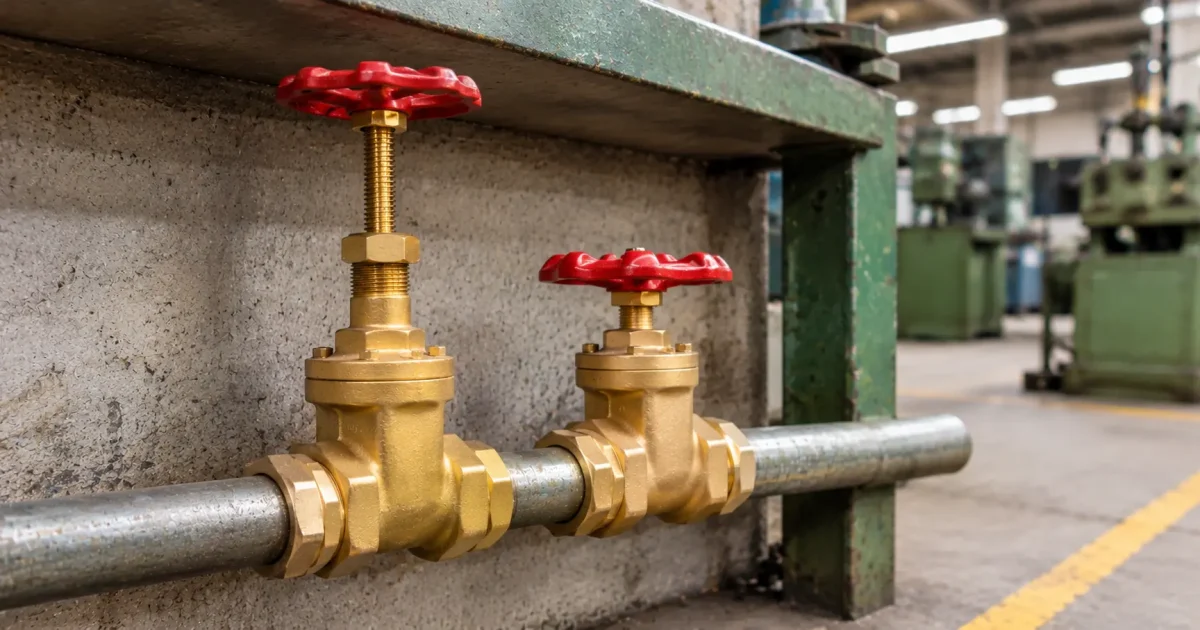
On a rising stem valve, the stem climbs out of the bonnet as the valve opens. Fully open, the stem stands well above the handwheel. Fully closed, it is down. Anyone walking past can see the valve’s state without touching it.
The price is headroom. You need clearance above the valve for the full height of the open stem, plus room to get a hand round the handwheel. Measure that open height, not the closed one, before you fit a rising stem valve under a bench or close to a beam.
There is a second, workshop-specific cost. The rising stem’s thread is exposed every time the valve is open. In a machine shop, grinding dust, swarf and coolant mist settle on that thread. Dirty threads make the valve stiff to close, and a gritty stem wears the packing. Where the air is dirty, keep the stem clean, or choose a non-rising design.
Non-rising stem: compact, but position is hidden
On a non-rising stem valve, the handwheel and stem stay at the same height. The stem turns, and the wedge travels up and down on a thread inside the body. The valve’s height is the same whether it is open or shut, and the stem thread is protected inside the valve. That is why non-rising stems are common under benches, inside machine cabinets and on low wall runs.
The cost is visibility. You cannot tell from looking at a non-rising stem valve whether it is open, closed or somewhere in between. In practice, that causes two problems.
- A valve thought to be open is half closed. Flow is reduced, a machine underperforms, and nobody suspects the valve.
- A valve thought to be closed is not fully closed. This one matters for safety, when someone opens a line downstream.
Making non-rising stem position readable
A few simple habits remove most of the uncertainty.
- Count and record the turns. Note how many turns each valve takes from fully closed to fully open, and write it on a tag at the valve.
- Always operate to the end stop. Gate valves are for isolation only, as Concorde’s page states, so the valve should always be fully open or fully closed. Never leave it in between.
- Tag the valve’s normal position. A tag reading “normally open” or “normally closed” tells a fitter what to expect and what to put back.
- Prove isolation downstream. Before opening a line, check for pressure or flow downstream rather than trusting the handwheel.
Orientation in tight spaces
When space forces an awkward position, a horizontal stem is generally acceptable. Avoid fitting a gate valve with the stem pointing down if you can. Debris can then collect in the bonnet, and the handwheel ends up where it is hard to reach and easy to knock. Leave enough room around the handwheel for a full turn with a hand on it, not just a fingertip.
When a ball valve is the better answer
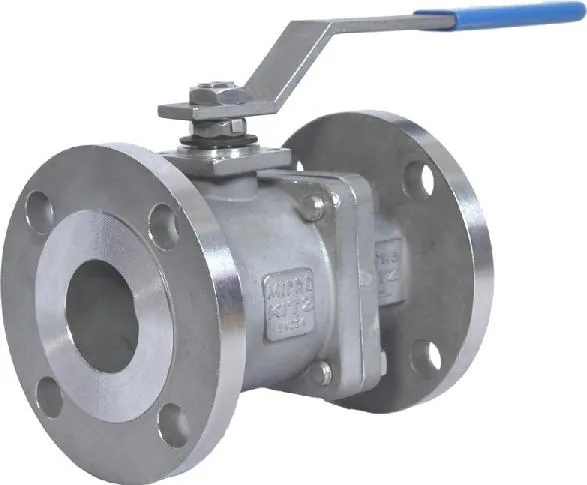
If a valve is operated often and its position must be obvious at a glance, a quarter-turn valve may suit the space better than either gate design. The KITZ SZA brass ball valve shows its position by its handle. Its lever needs swing room, though, rather than headroom.
For how gate valve duty and operating frequency compare with ball valves on utility lines, see our article on brass gate valves for dyeing-house utility lines. For keeping gate valves working once fitted, see our guide on maintaining and troubleshooting KITZ brass gate valves. To confirm stem type for a particular size, send the details through our contact page.
FAQs
How much headroom does a rising stem gate valve need?
Enough for the stem at its fully open height, plus room to grip the handwheel. Measure the valve’s open height for the size you plan to fit, because the stem stands well above the handwheel when the valve is open.
How can I tell if a non-rising stem gate valve is open?
Not by looking at it. Record the number of turns from closed to open on a tag, always operate the valve to its end stop, and prove isolation downstream before opening any line.
Are rising stem valves a problem in dusty workshops?
They can be. The stem thread is exposed when the valve is open, so grinding dust, swarf and coolant mist settle on it. That makes the valve stiff and wears the packing. Keep the stem clean, or use a non-rising stem design in dirty areas.
Can a gate valve be fitted with the stem pointing down?
It is best avoided. Debris can collect in the bonnet, and the handwheel is harder to reach and easier to knock. A horizontal stem is generally acceptable when an upright stem will not fit.
Which stem type should I order for a valve inside a machine cabinet?
Usually a non-rising stem, because the valve height stays the same open or closed and the stem thread is protected from dust and coolant. Tag it with its turns to open and its normal position, and confirm at enquiry that the size you need is available with that stem type.