KITZ XJ Series Butterfly Valve Distributors in India



The KITZ XJ Series — Die-Cast Aluminium Wafer Butterfly Valves
The KITZ XJ Series is KITZ Corporation's die-cast aluminium wafer butterfly valve range — figure numbers 10XJMEA for JIS 10K and PN16XJME for EN1092 PN16 pipework. Two KITZ patents define the series: the interchangeable neck design (U.S. Patent 6676109), which lets one valve body take a long, short or neckless operating column, and the S-shaped spherical-faced disc, which seals across its whole face at once instead of wiping progressively into the liner.
Concorde Valves & Automations has been an authorised KITZ distributor since 2011. This page covers the XJ Series at model level — figure numbers, materials, ratings and neck options. If you are still deciding whether an aluminium body is right for the duty at all, start with our KITZ aluminium butterfly valve selection guide instead.
Request a Quote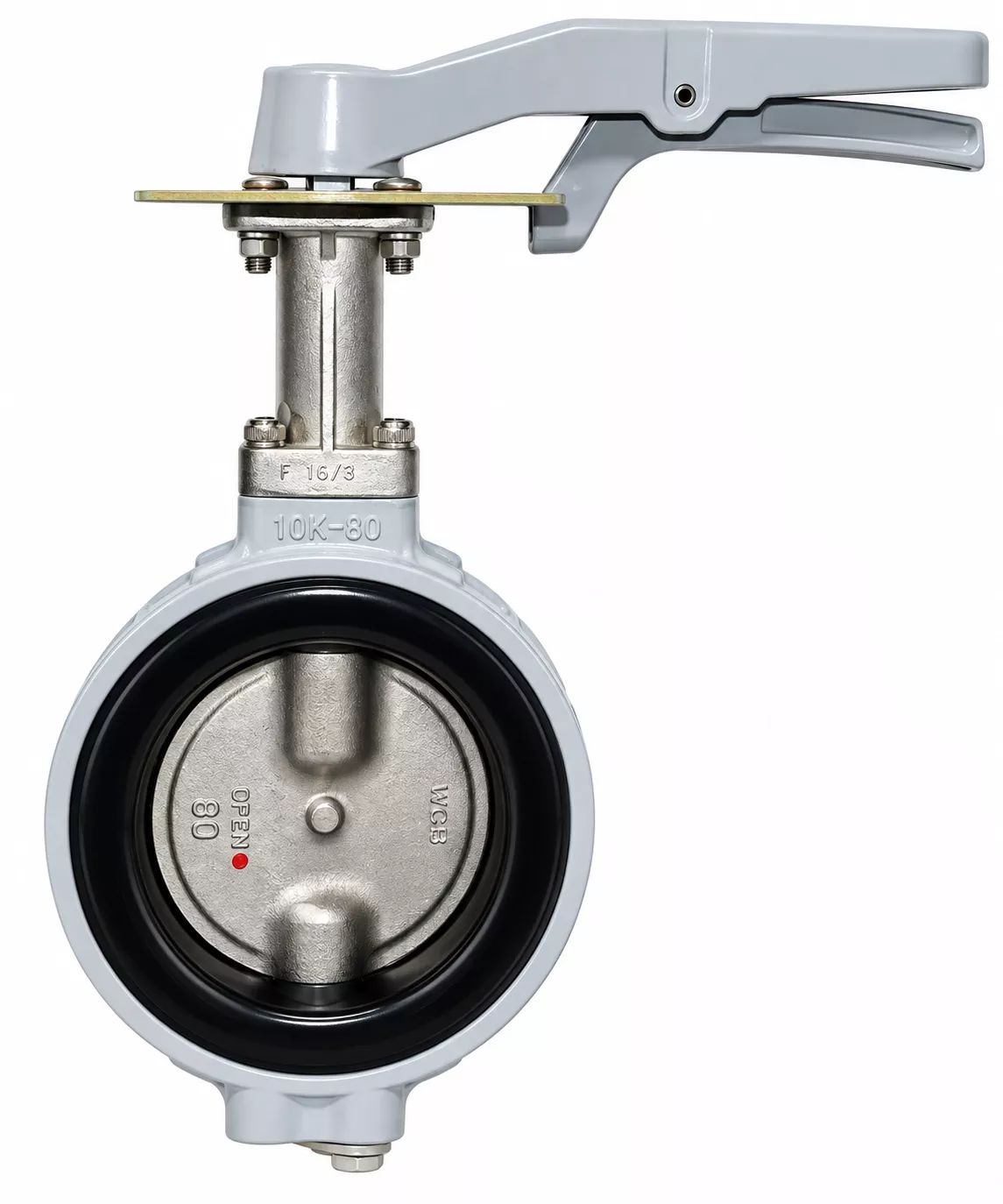
KITZ XJ Series Butterfly Valve Overview
A concentric, resilient-seated wafer valve with a die-cast aluminium body — and a bolt-on stainless neck that is what separates it from a conventional wafer butterfly valve.
Die-cast aluminium body
Stainless trim throughout
Three interchangeable necks
API 609 face-to-face
Aluminium Body, Stainless Everything Else
The body is die-cast aluminium. Every component in the wetted and structural path is stainless steel — stem, disc, neck, neck connectors and bolting.
- That construction is what lets an aluminium-bodied valve sit on wet duty
- Avoids the galvanic and corrosion problems that usually rule the material out
- Exposed hardware does not rust, so the valve still operates years after installation
The Bolt-On Neck
Instead of casting the operating column into the body, KITZ makes it a separate stainless steel component that bolts on, in three heights.
- Optional neck mounting kits let you convert between the three heights
- A valve specified for an uninsulated line can later be reconfigured for insulated or chilled-water service without replacing the body
Note: The valve does have to come out of the line to change necks.
Stable Operating Torque
A pair of stem bearings sits around the upper and lower stems. They stop the stainless stem galling against the aluminium body — the failure mode you would otherwise expect from that material pairing — and keep operating torque consistent over the life of the valve rather than climbing as it is cycled.
Face-to-Face & Flange Compatibility
Face-to-face dimensions follow API 609, BS EN 558 Basic Series 20, ISO 5752-20 and JIS B 2002 series 46, so the XJ drops into standard wafer spacing. Coupling flanges are JIS B2220 / B2239 10K on the 10XJMEA; the ASME Class 150 and EN1092 PN16 builds use centering sleeves to locate correctly between the studs.
Key Features of the KITZ XJ Series
Figures below are KITZ's published specifications for the XJ Series. Confirm the exact build with us against your line conditions before ordering — class, neck type and operator all change the part.
Key Features
- Three interchangeable neck designs — long, short and neckless (U.S. Patent 6676109), convertible with neck mounting kits
- Patented S-shaped spherical disc — 360° simultaneous shut-off at reduced closing torque, longer liner life
- Die-cast aluminium body — approximately one third the weight of KITZ's conventional cast iron butterfly valves
- CF8M stainless disc with EPDM seat — handles a wide range of line fluids without corrosion concern
- Stem bearings top and bottom — prevent stem galling, stabilise operating torque, keep disc rotation smooth
- ISO 5211 actuator mounting pads — on every neck type, allowing direct field mounting of actuators
- Long neck condensation control — stainless neck breaks the thermal path; no separate insulation needed on cold water duty
- Stainless steel throughout — stems, discs, necks, neck connectors and bolts, for corrosion resistance
- Easy flange centering — light body weight lets one fitter hold and centre the valve during installation
Technical Specifications
| Series | KITZ XJ (aluminium butterfly valve) |
|---|---|
| Model / Figure Numbers | 10XJMEA (JIS 10K), PN16XJME (PN16), G- prefix for long-neck builds |
| Valve Type | Concentric resilient-seated wafer butterfly valve |
| Pressure Class | JIS 10K · ASME Class 150 · EN1092 PN16 |
| Max Service Pressure | 1 MPa (JIS 10K, Class 150); 1.6 MPa / 16 bar (PN16) |
| Service Temperature | -20 °C to +120 °C (fluid not frozen) |
| Continuous Service Temp. | -20 °C to +100 °C |
| Body | Aluminium die-cast, equivalent ASTM B85-84-383.0 |
| Disc | A351 Gr. CF8M stainless steel |
| Neck | 18-8 stainless steel |
| Stem / Bottom Stem | Equivalent ASTM A276 type 410 stainless steel |
| Rubber Seat / O-ring | EPDM |
| Bearings | Metal-backed PTFE (10" and 12"); polyphenylene sulfide (10XJMEA 1-1/2"–8"); bronze CAC401C (PN16XJME 2"–8") |
| Face-to-Face | API 609, BS EN 558 Basic Series 20, ISO 5752-20, JIS B 2002 series 46 |
| Coupling Flanges | JIS B2220 / B2239 10K; ASME Class 150 and EN1092 PN16 with centering sleeves |
| Actuator Mounting | ISO 5211 pad on all neck types |
Available Models and Neck Options
The XJ is ordered as a combination of class, size, neck type and operator. The table below sets out how those choices map to KITZ figure numbers and where the bearing material changes across the size range.
| Model / Figure | Class & Flange Standard | Max Pressure | Bearing Material | Typical Size Coverage |
|---|---|---|---|---|
| 10XJMEA | JIS 10K — JIS B2220 / B2239 | 1 MPa | Polyphenylene sulfide | 1-1/2" – 8" |
| 10XJMEA | JIS 10K — JIS B2220 / B2239 | 1 MPa | Metal-backed PTFE | 10" – 12" |
| PN16XJME | EN1092 PN16 (centering sleeves) | 1.6 MPa (16 bar) | Bronze CAC401C | 2" – 8" |
| PN16XJME | EN1092 PN16 (centering sleeves) | 1.6 MPa (16 bar) | Metal-backed PTFE | 10" – 12" |
| G-10XJMEA | JIS 10K — long neck build | 1 MPa | As base model | Chilled water / insulated lines |
ASME Class 150 coupling is available on the 10K body with centering sleeves. Neck type (long / short / neckless) and operator (lever, gear, pneumatic, electric) are selected separately — tell us the line conditions and clearance available and we will build the full figure number for you.
Neck Types & How to Choose
Neck selection is the first decision on an XJ, and the one most often left to the supplier. It is driven by fluid temperature, whether the line is insulated, and how much clearance you have above the flange.
Long Neck
Chilled water, insulated pipework, condensation control — the stainless neck keeps the operator above dew point
Short Neck
General ambient-temperature water and air duty where headroom above the flange is limited
Neckless
Tightest installations; operated by socket wrench or a directly coupled actuator
Neck Mounting Kits
Convert between neck types later; the valve must be removed from the line to change
Applications and Industries Served
The EPDM seat is the constraint worth checking. EPDM is excellent on water, chilled water and air but is not suitable for mineral oils or hydrocarbons — tell us the fluid and we will confirm whether the XJ is the right valve or whether a different KITZ range fits better.
HVAC & Chilled Water
Chiller isolation, AHU and coil branches
Building Services
Risers, plant rooms, pump headers
Water Treatment
Filtration, clear water and distribution lines
Fire Protection Systems
Zone and sectional isolation within rating
Chemical & Pharmaceutical
Utility and service lines compatible with EPDM
Compressed Air Headers
Large-bore air distribution isolation
Marine & Shipbuilding
Weight-sensitive installations
Power Plant Auxiliaries
Cooling water and service systems
Why Buy KITZ XJ Series Valves From Concorde
An XJ order is not a single line item. It is a class, a size, a neck type, a bolting arrangement and an operator — and the wrong combination only shows up on site.
Won't Centre Between the Flanges
Wrong class or bolting arrangement, discovered with the pipework already open.
Actuator Fouls the Neck
Neck height and actuator selected separately, then found not to clear each other.
Handle Behind Insulation
A neckless or short-neck build on an insulated line, where nobody can reach the operator.
All three are avoidable — at enquiry stage rather than at commissioning. Each comes from selecting one variable in isolation instead of checking the combination, which is the one thing a catalogue cannot do for you.
1
You Send Four Things
Line conditions, the flange standard, the clearance above the flange, and how the valve will be operated.
2
We Build the Figure Number
Class, size, neck type, bolting and operator resolved into one complete KITZ figure number — with a price and a lead time.
3
Assembled, Not Shipped Loose
As an ISO 9001:2015 certified manufacturer we mount and couple actuated assemblies in-house rather than sending you parts to fit.
Comparing Aluminium Against Cast Iron or Stainless?
The XJ is the right valve once you have settled on an aluminium body. If you are still weighing aluminium against cast iron, ductile iron or stainless steel for the duty, our material selection guide covers that decision — and Concorde manufactures its own butterfly valve range in-house where the KITZ brand is not a specification requirement.
Related KITZ Products
Why Buyers Trust Concorde
Every claim below can be checked before you place an order — ask us for the certificate, the distributorship confirmation or the registration number and we will send it.
Authorised KITZ Distributor Since 2011
KITZ product comes through authorised channels, not the grey market — with KITZ's own cast body markings, figure number and pressure rating intact.
ISO 9001:2015 Certified
Our manufacturing runs under a certified quality management system, and the same process governs how bought-in product is received, stored and despatched.
Manufacturer's Test Certificate
Ask at order stage and we supply the MTC against your batch. On KITZ product that is the manufacturer's own certificate, not a document we generate.
MSME Registered
A registered Indian manufacturer — which matters where your procurement policy requires it, and where MSME payment terms apply to the purchase.
Quote Within 24 Hours
Send size, material and end connection and you get price, availability and lead time inside a working day — or a straight answer that we cannot supply it.
We'll Say If It's the Wrong Valve
Because we both manufacture and distribute, we have no reason to push one over the other. If the material is wrong for your fluid or the class is under-rated, we say so before quoting.
Frequently Asked Questions
XJ is KITZ's die-cast aluminium wafer butterfly valve series. The base figure numbers are 10XJMEA for JIS 10K and PN16XJME for EN1092 PN16, with G- prefixed variants for the long-neck build. The series is built around two KITZ patents: the interchangeable neck design (U.S. Patent 6676109) and the S-shaped spherical-faced disc.
Long neck, short neck and neckless. The choice depends on whether the pipework is insulated, how much clearance sits above the flange, and whether you need to keep the operator away from the fluid temperature. Neck mounting kits let you change from one neck type to another later, though the valve has to come out of the line to do it.
Condensation control. The stainless steel long neck breaks the thermal path between the fluid and the operating device, so on chilled water duty the handle and actuator stay above dew point without separate insulation. On ambient-temperature water lines the short neck or neckless build is usually sufficient and cheaper.
1 MPa maximum service pressure in JIS 10K and ASME Class 150 builds, and 1.6 MPa (16 bar) in the PN16 build. The service temperature range is -20 to +120 degrees C, with a continuous service range of -20 to +100 degrees C.
Yes. The actuator mounting pads on all neck types conform to ISO 5211, so pneumatic and electric actuators with ISO 5211 flanges mount directly — including retrofit in the field. Concorde supplies XJ valves with actuators mounted, coupled and stroke-tested.
It is a KITZ-patented disc geometry using a spherical face and an S-shaped profile. Instead of the disc edge wiping into the liner at one point and then progressively sealing round, the whole face contacts the rubber seat simultaneously as the valve closes. That gives tight shut-off at lower closing torque and extends liner life, because the liner sees less shear on every cycle.
KITZ puts the die-cast aluminium body at roughly one third the weight of its conventional cast iron butterfly valves. The practical benefit is on installation: a single fitter can hold and centre the valve between the flanges rather than needing lifting gear or a second pair of hands.
Yes. Concorde Valves & Automations has been an authorised KITZ distributor since 2011, operating from Mumbai and supplying across India. Valves come through authorised channels with KITZ's original markings and documentation, and the manufacturer's test certificate is available on request.
Get a Quote on KITZ XJ Series Butterfly Valves
Send us the size, flange standard, fluid and how the valve will be operated — we will build the full KITZ figure number and confirm price and lead time within 24 hours.