
Table of Contents
Understanding Valve Selection in Industrial Systems
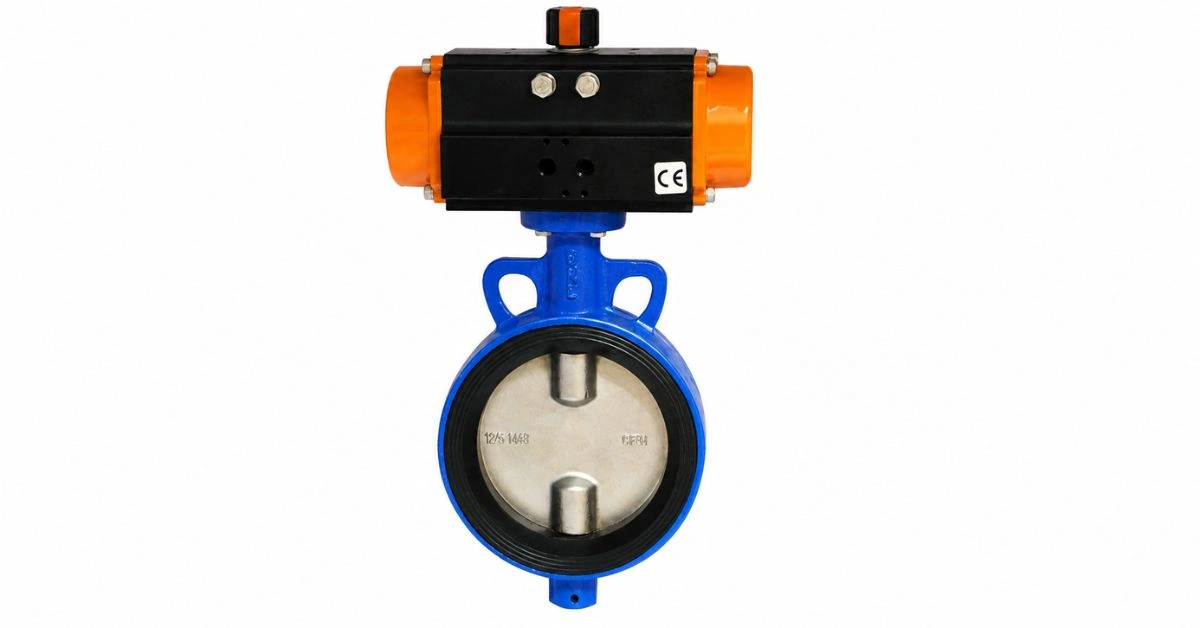
The method of selecting the appropriate dimension, type, and design of a valve based upon the needs of a specific application is a critical part of industrial engineering. Industrial systems deal with different types of fluids, including steam, water, chemicals, gas, and oil, and each requires a suitable valve configuration. In many modern automated setups, components like Pneumatic Butterfly Valves are widely used due to their efficiency in controlling flow in demanding environments.
The correct selection of a system will guarantee smooth flow control, stable pressure regulation, and longer equipment life. However, if the selection process is not backed by proper technical study and analysis, it creates imbalance in the system, leading to wear, inefficiency, and reduced performance over time.
Key Factors That Influence Proper Valve Selection
Many technical variables to be taken into consideration when making a selecting a valve
- The type of fluid (liquid gas, slurry, chemicals that cause corrosive damage)
- Conditions of operation and pressure
- Requirements for flow rate
- Media compatibility and material compatibility
- Automatization level required (manual or pneumatic)
- Safety and environment standards for the system
The absence of even one of these aspects can impact the efficiency of the industrial process.
Major Hidden Costs Caused by Incorrect Valve Selection
If a valve that is not properly fitted, the effect is not always immediately apparent. The cost builds slowly and impact multiple aspects that are in operation.
The most expensive hidden expenses are lost energy. The wrong size of valve causes compressors and pumps to be more efficient, thereby increasing the amount of electricity consumed. As time passes, this drastically increases the cost of operation.
A further issue that is significant is the frequent replacement and maintenance. Correctly designed valves will wear down more quickly due to pressure imbalances leakage or corrosion. The result is repeat repairs.
The efficiency of production also suffers. Pressure drops or flow inconsistencies could slow the entire process which can reduce output and efficiency.
Impact on Energy, Maintenance, and Production Efficiency
The impact of insufficient valve selection directly affects three key operational zones:
- More energy use because of an inefficient system
- More expensive maintenance costs from frequent break-downs
- Production output was reduced due to unexpected downtime
These hidden expenses often outweigh what was initially incurred by the valve, which makes it an ongoing cost for companies.
How Valve Selection Affects System Safety and Reliability
Risks of Equipment Failure and Operational Downtime
Incorrect valve selection could result in:
- Unexpected equipment failure caused by the pressure being too high.
- Material loss due to leakage and risk to the environment
- Production lines are completely shut down
- Injuries to machinery connected to it, like pipelines and pumps
All of these risk factors lead to operational disruption that is among the biggest losses for industrial installations.
How to Avoid Costly Valve Selection Mistakes
To avoid making mistakes in valve selection, it is best to use an appropriate engineering method instead of the hazard of guesswork. Industry must analyze the requirements of their system thoroughly prior to deciding on a valve.
Work with knowledgeable suppliers as well as expert technical specialists is also crucial. Businesses like Concorde Valves and Automations can provide advice based on the needs of your application, assisting industry to choose the right valve for their needs.
An organized selection procedure ensures an efficient long-term performance and prevents sudden break-downs.
Best Practices for Choosing the Right Industrial Valve
For ensuring the proper selection of valves industry must follow certain basic guidelines for use:
- Be sure to analyze flow rate and pressure conditions before making your selection
- The material of the match valve matches with the specific characteristics of the fluid
- Think about future load and the capacity of the system
- Check for compatibility with the requirements of automation.
- Select only the highest-quality valves made by trustworthy producers
- Contact technical experts to discuss complicated industrial applications
This can not only enhance efficiency of the system but also lower cost of operation in the long run.