
Table of Contents
- Why Industrial Valves Fail in Industrial Systems
- Most Common Industrial Valve Problems
- Valve Leakage Problems and Solutions
- Valve Corrosion and Wear Issues
- Valve Pressure and Flow Control Problems
- Best Practices for Industrial Valve Maintenance
- How to Increase the Lifespan of Industrial Valves
- Final Thought
Industrial valves play a critical role in controlling the flow of liquids, gases, and steam in various industrial systems. From chemical plants and water treatment facilities to oil and gas industries, valves are essential for maintaining smooth operations and process safety. However, like any mechanical component, industrial valves can develop issues over time due to wear, corrosion, pressure fluctuations, and improper maintenance.
Understanding common industrial valve problems and their solutions can help industries reduce downtime, improve operational efficiency, and extend equipment lifespan. At Concorde Valves & Automations, we provide high-quality industrial valve solutions designed for reliability, durability, and long-term performance.
Why Industrial Valves Fail in Industrial Systems
Industrial valves operate under extreme conditions such as high pressure, temperature variations, corrosive chemicals, and continuous usage. These conditions can gradually affect valve performance and lead to system failures if not addressed properly.
Poor installation practices, lack of preventive maintenance, and selecting the wrong valve type for a specific application are also major reasons behind valve failure. In many industrial setups, equipment such as Manual Ball Valves must be installed and maintained correctly to ensure consistent performance and system efficiency.
Common Causes of Industrial Valve Failure
Some of the most common causes of industrial valve failure include corrosion, seal damage, improper lubrication, excessive vibration, pressure imbalance, and material wear. In many cases, valve issues arise because the valve material is not compatible with the fluid or operating environment.
Another common issue is debris accumulation inside the valve body, which can obstruct flow and damage internal components. Regular inspection and timely servicing are important to avoid these operational challenges.
Most Common Industrial Valve Problems
Several valve problems are commonly observed in industrial systems. Valve leakage is one of the most frequent issues and can occur internally or externally. Internal leakage affects flow control, while external leakage may create safety hazards and product loss.
Sticking valves are another common problem caused by dirt buildup, corrosion, or lack of lubrication. This issue can affect automation systems and reduce operational efficiency. Excessive noise and vibration during valve operation may indicate cavitation, pressure fluctuations, or damaged internal components.
Pressure drops and inconsistent flow rates are also signs of valve malfunction. These problems can negatively impact process control and overall system performance. Identifying these issues early can help industries avoid costly repairs and unexpected shutdowns.
Valve Leakage Problems and Solutions
Valve leakage is one of the biggest concerns in industrial applications. Leakage can occur around the valve seat, stem, or body due to worn-out seals, damaged gaskets, corrosion, or improper installation. Even minor leakage can lead to energy loss, reduced efficiency, and safety risks.
To solve valve leakage problems, industries should inspect sealing components regularly and replace damaged parts immediately. Using the correct valve material for the application is also essential to prevent corrosion-related leakage. Advanced systems such as Pneumatic Butterfly Valves are often preferred in industrial automation because they help improve operational accuracy and reduce leakage risks.
Routine maintenance and periodic testing are highly effective in identifying leakage issues before they become severe. High-quality industrial valves from Concorde Valves & Automations are designed with advanced sealing technology to minimize leakage and improve operational reliability.
How to Prevent Valve Leakage
Preventing valve leakage starts with choosing the right valve type and material for the operating environment. Regular lubrication, cleaning, and inspection help maintain smooth valve operation and reduce wear on internal components.
Industries should also monitor pressure and temperature conditions carefully to avoid excessive stress on valves. Scheduled preventive maintenance programs can significantly reduce leakage risks and improve valve lifespan.
Valve Corrosion and Wear Issues
Corrosion is a major challenge in industries dealing with chemicals, moisture, or high-temperature fluids. Over time, corrosion weakens valve components and affects performance. Metal surfaces may become damaged, leading to leakage, pressure loss, and structural failure.
Wear and tear are also common in valves that operate continuously under high-pressure conditions. Friction between moving parts gradually reduces efficiency and can cause operational failure.
Using corrosion-resistant materials such as stainless steel and applying protective coatings can help reduce corrosion problems. Regular cleaning and replacing worn-out components are also essential for maintaining valve performance.
Valve Pressure and Flow Control Problems
Industrial valves are designed to regulate pressure and flow accurately. However, problems such as incorrect valve sizing, pressure fluctuations, and blockages can affect system efficiency. In automated industrial operations, Electric Ball Valves are commonly used for precise flow control and improved operational efficiency.
Pressure-related issues often occur when valves are subjected to conditions beyond their design capacity. In some cases, sudden pressure changes can cause cavitation, which damages internal valve surfaces and reduces operational life.
Troubleshooting Pressure and Flow Issues
To troubleshoot pressure and flow problems, industries should inspect valves for blockages, damaged seals, and incorrect calibration. Selecting the correct valve size and pressure rating is important for maintaining smooth flow control.
Automation systems should also be checked regularly to ensure accurate valve positioning and response. Proper monitoring and maintenance can help industries avoid pressure-related failures and improve system efficiency.
Best Practices for Industrial Valve Maintenance
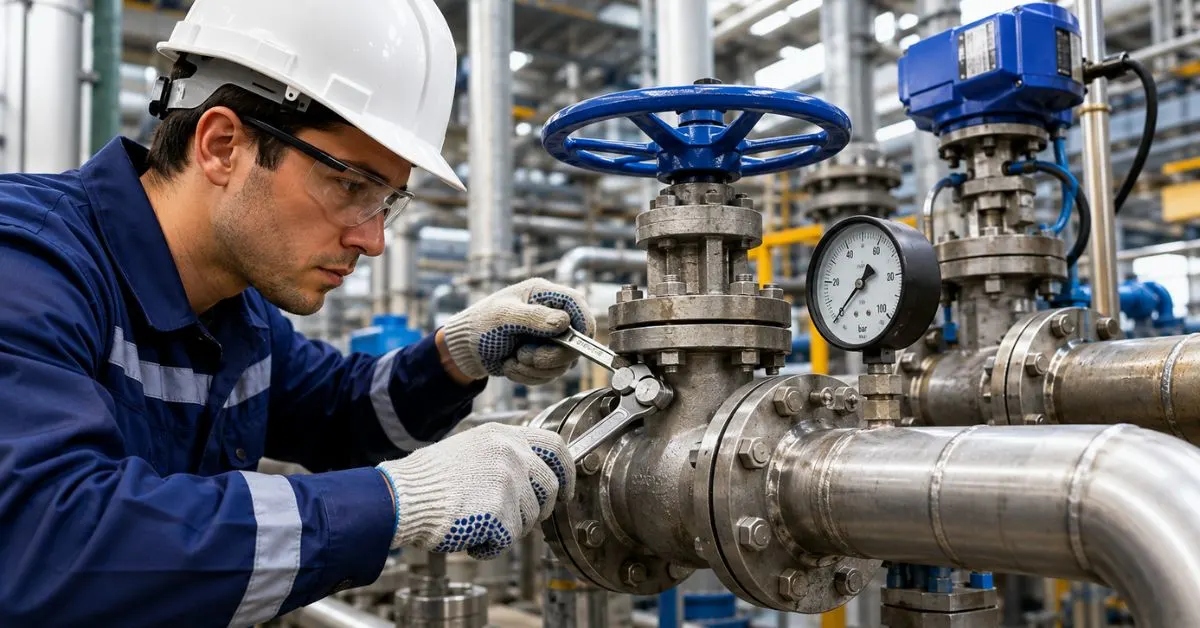
Regular maintenance is essential for ensuring the reliable performance of industrial valves. Maintenance programs should include inspection, lubrication, cleaning, and testing of valve components. Identifying minor issues early can prevent major system failures and costly downtime.
Industries should maintain detailed maintenance records and follow manufacturer recommendations for servicing intervals. Employee training is also important to ensure valves are operated and maintained correctly.
Using high-quality valves from trusted suppliers such as Concorde Valves & Automations can further reduce maintenance challenges and improve operational safety.
How to Increase the Lifespan of Industrial Valves
Increasing the lifespan of industrial valves requires proper installation, regular inspection, and correct operating practices. Choosing the right valve for the application is one of the most important factors in preventing premature failure.
Industries should avoid overloading valves beyond their pressure and temperature limits. Routine cleaning, lubrication, and replacement of worn components can significantly extend valve life.
Implementing preventive maintenance programs and investing in durable industrial valves can help businesses reduce repair costs and improve long-term operational efficiency.
Final Thought
Industrial valve problems can affect productivity, safety, and operational efficiency if not addressed properly. Common issues such as leakage, corrosion, pressure fluctuations, and wear can lead to costly downtime and system failure.
By understanding these problems and following proper maintenance practices, industries can improve valve performance and extend equipment lifespan. Concorde Valves & Automations offers reliable and high-performance industrial valve solutions designed to meet the demanding requirements of modern industries.
Looking for dependable industrial valve solutions for your business? Contact Us to get expert guidance, high-quality products, and customized automation solutions for your industrial needs.