
Table of Contents
What Are Butterfly Valves Used For? A Complete Guide
Butterfly valves are among the most versatile and widely used flow control devices in modern industrial systems. These quarter-turn valves offer efficient flow regulation across countless applications, from water treatment plants to chemical processing facilities. Understanding their design, operation, and applications can help you determine whether butterfly valves are the right choice for your specific needs.
This guide explores the fundamental aspects of butterfly valves, including their key components, working principles, common applications, and maintenance requirements. Whether you’re an engineer, technician, or simply curious about valve technology, you’ll gain valuable insights into why butterfly valves have become essential components in so many industries.
Key Components and Design
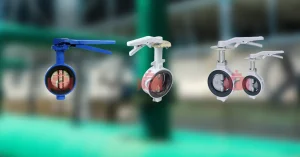
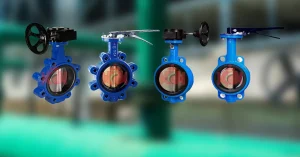
The butterfly valve design centres around simplicity and effectiveness. The primary component is a circular disc that rotates on a shaft positioned perpendicular to the flow direction. When the disc aligns with the pipe, flow passes through unrestricted. Rotating the disc 90 degrees blocks the flow entirely.
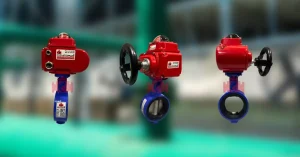
The valve body houses the disc and provides connection points to the piping system. Most KITZ Butterfly Valve types feature a metal or resilient seat that creates a seal when the disc closes. The actuator mechanism, whether manual, pneumatic, or electric, controls the disc’s rotation angle to regulate flow rates precisely.
Materials vary depending on the application requirements. Common body materials include cast iron, carbon steel, stainless steel, and specialised alloys for corrosive environments. The disc typically matches the body material, whilst seats may be made from rubber, PTFE, or metal depending on temperature and chemical compatibility needs.
How Butterfly Valves Work
The butterfly valve working principle relies on rotational motion to control flow. When fully open, the disc sits parallel to the flow direction, creating minimal pressure drop and turbulence. As the disc rotates towards the closed position, it progressively restricts flow by reducing the available cross-sectional area.
This quarter-turn operation makes butterfly valves particularly suitable for applications requiring quick shut-off capabilities. The disc’s position directly correlates to the flow rate, allowing for precise throttling control when connected to appropriate actuators and control systems.
The streamlined design minimises pressure losses compared to other valve types. This efficiency becomes particularly important in large-diameter applications where pressure drop reduction translates to significant energy savings over time.
Common Applications
Butterfly valves serve diverse industries due to their versatility and reliability. Water treatment facilities commonly use large butterfly valves for main line isolation and flow control. Their ability to handle high volumes with minimal pressure drop makes them ideal for municipal water systems.
Chemical processing plants rely on butterfly valves for handling various fluids, from corrosive chemicals to slurries. Specialised materials and coatings enable these valves to withstand harsh chemical environments whilst maintaining reliable operation.
HVAC systems frequently incorporate butterfly valves for air and water flow control. Their compact design and precise control capabilities make them suitable for building automation systems where space constraints and accurate flow regulation are crucial.
Food and beverage processing facilities use sanitary butterfly valves designed to meet strict hygiene standards. These valves feature smooth surfaces and materials that comply with food safety regulations whilst providing reliable flow control.
Oil and gas operations utilise butterfly valves for pipeline isolation and flow regulation. Their robust construction and ability to handle high pressures make them suitable for upstream, midstream, and downstream applications.
Advantages and Limitations
Butterfly valves offer numerous advantages that explain their widespread adoption. Their compact design requires minimal installation space compared to gate or globe valves. The lightweight construction reduces installation costs and structural support requirements.
Quick operation stands out as a key benefit. The quarter-turn action enables rapid opening and closing, essential for emergency shutdown applications. This speed also reduces actuation time and energy consumption in automated systems.
Cost-effectiveness makes butterfly valves attractive for budget-conscious projects. Lower material requirements and simplified manufacturing processes result in competitive pricing, particularly for larger sizes where cost differences become more significant.
However, butterfly valves have limitations that must be considered. The disc remains in the flow path even when fully open, creating some pressure drop and potential turbulence. This permanent obstruction may not suit applications requiring completely unobstructed flow.
Sealing challenges can occur with certain butterfly valve types, particularly in high-pressure applications. The disc’s sealing surface area increases with valve size, potentially making tight shut-off more difficult to achieve and maintain.
Maintenance Tips
Proper maintenance ensures reliable butterfly valve operation and extends service life. Regular inspection of the disc and seat for wear, corrosion, or damage helps identify potential issues before they cause failures.
Actuator maintenance varies depending on the type used. Pneumatic actuators require clean, dry air supply and periodic lubrication of moving parts. Electric actuators need regular electrical connection checks and motor maintenance according to manufacturer specifications.
Seat replacement represents the most common maintenance task. Monitoring seat condition and replacing it when wear becomes apparent prevents internal leakage and ensures proper sealing performance.
Proper storage of spare parts, including seats, gaskets, and actuator components, enables quick repairs when needed. Keeping maintenance records helps track performance trends and schedule preventive maintenance effectively.
Choosing the Right Butterfly Valves Solution
Butterfly valves provide reliable, cost-effective flow control across numerous applications. Their simple design, quick operation, and versatility make them suitable for water treatment, chemical processing, HVAC, and many other industries.
Understanding the butterfly valve working principle and available types helps ensure proper selection for specific applications. Consider factors such as pressure requirements, temperature conditions, fluid compatibility, and actuation needs when specifying butterfly valves.
For expert guidance on selecting the right butterfly valve for your application, Concorde Valves and Automations offers comprehensive solutions backed by technical expertise and industry experience. Their team can help you navigate the various butterfly valve types and configurations to find the optimal solution for your specific requirements.
Looking for the product itself? See our Manual Butterfly Valves range.