
Table of Contents
Selecting the ideal manual butterfly valve to fit your setup can be confusing considering the variety of styles, materials and specs that are available. Making the best decision is crucial to guarantee the safety and efficiency of your system as well as longevity of your industrial pipeline. From chemical and water treatment plant to HVAC equipment, knowing the basic principles and crucial factors can avoid costly mistakes and delays.
In this post will cover all the information that you require to be able to make an informed choice using the practical knowledge of Concorde Valves and Automations.
What is a Manual Butterfly Valve?
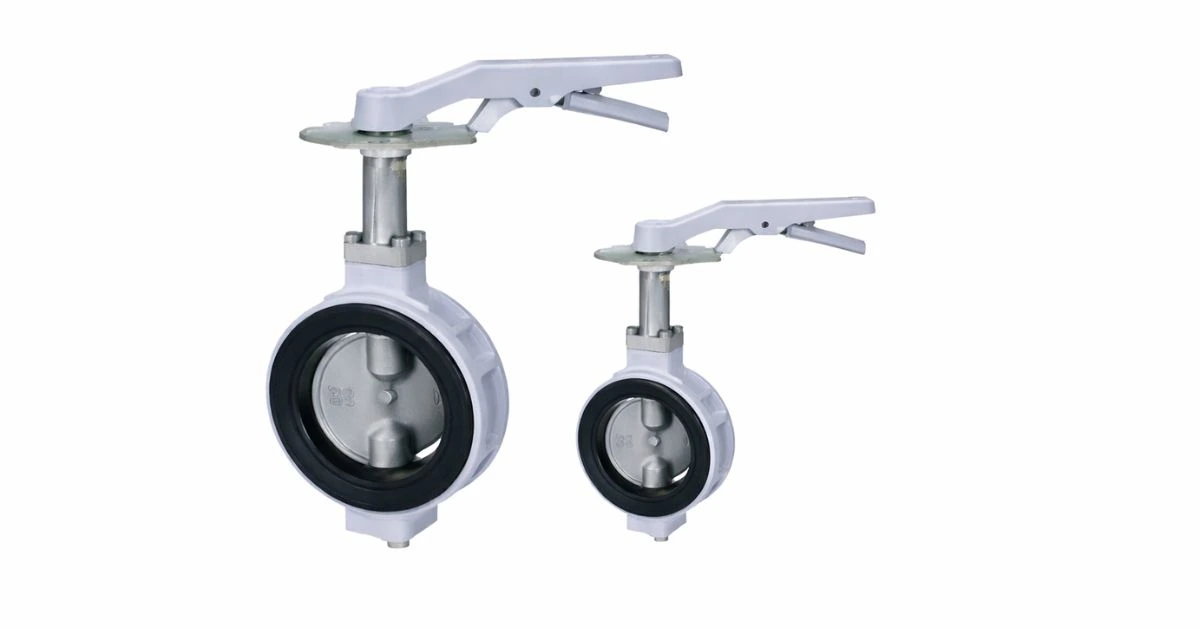
Manual butterfly valves are utilized to control the movement of fluids as well as gas within pipelines. As opposed to automatic valves, they operate by hand using an axe or gear mechanism. This allows for precision control with no need to use electricity or pressure.
Key Components of a Manual Butterfly Valve
The manual butterfly valves is made up of a number of essential components. Its body is connected to the pipeline and provides the frame. Inside it is a disc. Inside, the disc can rotate to let flow to be restricted, and it’s seat guarantees a seal once the valve is shut. A handles and stem join the disc with the gear or lever that allows for an operator’s manual. Knowing these parts will help you determine the best valve to suit the conditions of operation for your particular system.
How It Differs from Other Valves
As compared to gate and ball valves, butterfly valves that are manual are less heavy, smaller and use smaller spaces. They provide quick and efficient operation and typically require just a quarter turn to close or open as well as being more durable due to the fact that there are fewer moving parts. They are the preferred option in many sectors.
Key Factors to Consider When Choosing a Manual Butterfly Valve
The process of selecting the correct valve is far beyond just picking the right size. A number of crucial factors guarantee optimal efficiency and long-term durability.
Valve Size and Material Compatibility
The valve should be matched to the diameter of the pipe to ensure an even flow and to ensure efficiency. The choice of material is also crucial. Cast iron, stainless steel as well as PVC are all common choices that are suitable for various kinds of fluids. Fluids that are corrosive or abrasive require substances that are resistant to corrosion and wear and ensure that the valve will last longer and operates safely.
Pressure, Temperature, and Seal Considerations
Each device has different demands for temperature and pressure. The rating for the valve, generally either PSI or PN is required to meet or exceed the equipment’s maximum operating pressure. Limits on temperature vary based on the type of material like PTFE and rubber seals. react differently in heat as in comparison to metallic components. The right seal can ensure the prevention of leaks and long-lasting.
Applications of Manual Butterfly Valves
- Versatile and Reliable: Easy to operate and suitable for a wide range of industrial applications.
- Industries Served: Common in water treatment, chemical processing, HVAC, and food & beverage systems.
- Cost-Effective and Durable: Lower installation and maintenance costs with long-term reliability.
- Ideal for Large or Remote Pipelines: Can control flow without complex automation, even in hard-to-access areas.
Tips for Installation and Maintenance
A proper installation will ensure that the valve is operating effectively. The valve should be aligned correctly to the pipeline, thereby avoiding tension to the valve’s body. Make sure to use gaskets that are compatible with the fasteners to prevent leaks and also avoid tightening too much, which may damage the seat and disc.
Regular maintenance increases the lifespan of your valve. Check for corrosion, wear or leaks regularly. Change gaskets and seals when necessary, as well as lubricate moving components if suggested by your manufacturer. These simple steps will stop costly and lengthy repairs.
Key Takeways
Best Manual butterfly valves offer solid flow control, with easy operating. The selection of the correct valve demands careful consideration of the materials pressure, temperature and sealing compatibility. They’re versatile, economical and straightforward to maintain and are suitable for many sectors.
It is important to evaluate the requirements of your system attentively. Consult with industry experts and specifications such as Concorde Valves & Automations will help you choose the right valve to maximize performance, safety as well as longevity. An appropriately selected butterfly valve that is manual is more than just a piece of equipment; it is the most important component in an efficient system.