
Table of Contents
Introduction to Dual Plate Check Valves
An a Dual Plate Check Valve is an essential element in modern pipes, specifically that is designed to stop reverse flow and maintain effectiveness and efficiency. Contrary to traditional check valves the dual disc mechanism provides faster responses and less loss. The choice of the correct valve isn’t only about compatibility, it directly affects system efficiency, safety as well as maintenance cost.
Learning how to weigh the various alternatives will allow you to make a the right decision based on the needs of your specific application.
Understanding How It Works
Basic Working Principle
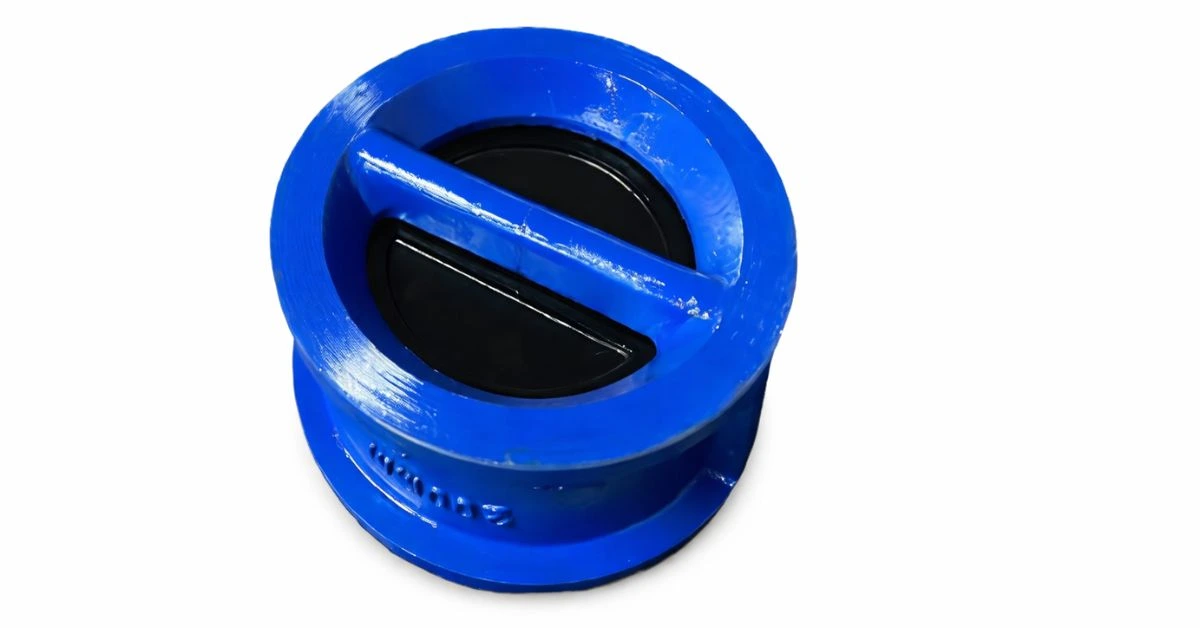
The Dual Plate Check Valve operates with two plates, spring-loaded and that are hinged to a central pin. If fluid flows in the planned direction of flow, the valves are opened to allow flow. In the event that flow is reversed then the springs close the plates and stop backflow. This quick closing reduces the impact of water and also protects downstream equipment.
Why It Matters for Selection
The mechanism that operates is an important factor in determining how the valve will perform best. System that require immediate shut-off time, for example high-pressure pipelines or high-velocity ones, greatly benefit from this type of design.
Key Factors to Consider Before Choosing
The right valve to choose requires taking into consideration a variety of operational and technical parameters. The factors that determine the valve will function reliably in particular circumstances:
- The Fluid type: Think about whether your medium is gas, water or oil, or even something corrosive. This influences the material choice.
- The Pressure Rating and the Temperature Rating: Check that the valve has the capacity to be used in a system that is operating without failing.
- The size and flow Requirements: A proper sizing prevents the risk of pressure drop and allows for a an even flow.
- Installation Orientation: Certain valves can be used to be installed horizontally, whereas some can be used vertically.
- Materials Compatibility: Pick materials, such as cast iron or stainless steel for their durability and resistance.
- Maintenance needs: Opt for designs with easy to inspect and very little time to shut down.
Material Selection and Durability
Common Materials Used
It is important to choose the right material when choosing the right material for a Dual Plate Check Valves. The most popular choice is stainless steel for environments that are corrosive due to the resistance it has to rust as well as chemical destruction. Ductile iron and cast iron are frequently utilized in water systems because of their strength and price effectiveness. When dealing with highly aggressive fluids special alloys might be required.
Impact on Longevity
The correct material does not just ensure that the fluid is compatible however it also increases the lifetime that the valve will last. Incorrect selection of materials may result in leaks, corrosion and premature failure. This can increase operational cost over time.
Application-Specific Considerations
Industrial Applications
Certain industries have their own demands. In pipelines that transport gas and oil the valve has to handle extreme pressures and varying flows. For water treatment facilities durability and corrosion resistance are the top priority. HVAC systems, on contrary, need compact designs that have minimal loss of pressure.
Performance Requirements
The understanding of the performance requirements for your system is crucial. The factors that determine flow speed as well as pressure fluctuation as well as frequency of operation, will decide the optimal valve layout. Incorrectly configured valves can cause failures or even harm to the system.
Installation and Maintenance Insights
Proper Installation Practices
The correct installation is crucial to achieve maximum efficiency. Check that the valve is aligned in the direction of flow specified by the manufacture. A poor installation may reduce effectiveness and result in operational issues.
Maintenance Best Practices
Regularly scheduled inspection and maintenance aids in detecting wear and tear before it becomes. Cleansing the inside of the components and making sure that springs are not worn out could prevent failures that are not expected. Selecting a valve that has an easy design will drastically reduce maintenance work.
Cost vs Performance Balance
Although price is an important element, it shouldn’t be the only determining factor. The valve that is less expensive could cause higher maintenance costs and a shorter life. Making the investment in a top-quality Dual Plate Check Valve ensures greater reliability, less time to repair, as well as long-term savings.
The balance between upfront costs and performance and endurance will allow you to make the most of your money.
Final Thought
Selecting the Best Dual Plate Check Valves demands an knowledge of the system’s requirements in terms of operating conditions, as well as future goals. From the selection of materials to considerations for installation, every aspect plays an important function in ensuring the highest the reliability and efficiency.
Dual Plate Check Valve
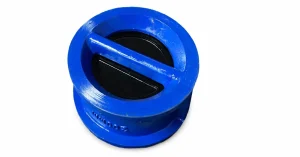
Dual Plate Check Valve ensures reliable backflow prevention with a compact, lightweight design. It offers quick response, low pressure drop, and efficient performance in various industrial piping systems.
Product Brand: Concorde Valves & Automations
Product Currency: INR
Product In-Stock: InStock
5