
Table of Contents
Selecting the appropriate valve for the industrial system you are using is essential to ensure the reliability, efficiency and the long-term durability. Butterfly valves are used extensively throughout sectors that range from water treatment to chemical processing, as a result of their small size and easy operation. Of these two kinds, two are often considered conventional butterfly valves and Spherical Disc Butterfly Valve. Knowing their distinctions can assist engineers, technicians, as well as procurement personnel make the best decision.
Here at Concorde Valves & Automats Our goal is to offer clear and concise information to help you choose the right valve that fits your needs.
Understanding Butterfly Valves
Butterfly valves are quarter-turn devices that are used to control or block the flow of fluid. The simple design of the valve allows swift operation, and they are typically used for situations that require a limited space. While they have a common look however, their insides could differ greatly, impacting the performance, durability and the suitability of different applications.
What Are Traditional Butterfly Valves?
Traditional butterfly valves comprise the flat disc, which is attached to the central shaft. When the valve is in open and the disc is aligned with the flow permitting fluid to flow through at a minimum resistance. If the valve is closed the disc turns in order to stop the flow completely.
The valves are easy in appearance, and cost-effective and are widely utilized for use, like water pipelines, HVAC systems, as well as low-pressure industrial processes. But the flat disc design could result in a sloppy sealing in particular under pressure or in corrosive environments. The maintenance process can also become more frequently in these conditions because of the wear and tear of the surfaces of sealing.
What Are Spherical Disc Butterfly Valve?
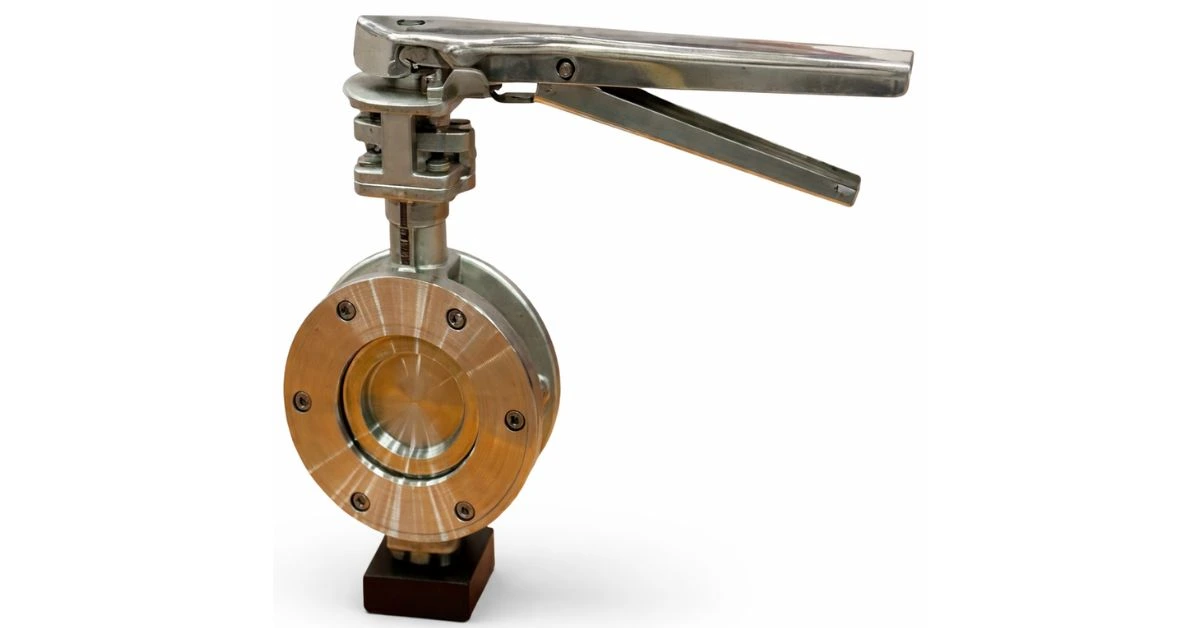
Spherical butterfly valves in contrast are made up of a concave, or spherical disc. The design permits the disc to have an even contact with its seat, resulting in an even tighter seal. Spherical discs’ geometry can help limit leakage, handle greater pressures and provide better the flow of fluids compared to discs that are flat.
These valves are perfect for applications that require a lot of pressure, like chemical processing, gas and oil and systems that require high pressure fluid flow. The construction of these valves typically involves the use of sophisticated materials and precision engineering that contributes to greater longevity and durability over time.
Key Differences Between Spherical Disc and Traditional Butterfly Valves
Design and Construction
The biggest difference is in the shape of the disc. Butterfly valves traditionally use discs that are flat and rotate to shut and open the flow. However, Spherical Disc Butterfly Valves have a curved or an spherical disc. The shape of the disc allows for more evenly distributed pressure as well as better alignment with the seat of the valve.
In addition, spherical disc valves generally have stronger seal mechanisms that reduce the possibility of leaks, and enhance overall system reliability. Although the initial price could be greater but the benefits of design usually make it worthwhile to invest in critical system.
Performance and Efficiency
Variations in performance are largely due to the design. The disc that is spherical provides better control of flow and also reduces the amount of the turbulence inside the valve. This leads to greater efficiency and smoother operation especially in applications with high pressure.
Traditional valves, although suitable for everyday use but may have flow issues or small leaks in time because of the flat disc’s weak sealing contact. Spherical disc valves, due to the improved seal and appearance, are not as susceptible to such issues, making the ideal choice for high-demand or precise operations.
Maintenance and Longevity
The maintenance requirements differ for both types. The traditional butterfly valves will require regular inspections and seal replacements, especially when used for heavy duty. Flat discs are more prone to wear around the edges, which can cause degrading more quickly in environments that are corrosive.
Spherical disc valves due to their superior sealing capabilities and equally distributed pressure typically provide longer service lives as well as shorter maintenance intervals. It can result in less operating costs over the long term regardless of whether initially the purchase price is greater.
Applications and Suitability
The selection of the appropriate valve will depend on the application. Below is a brief overview of possible use scenarios:
- Classic Butterfly Valves: The best choice for applications that require low pressure and projects with a high cost. These are commonly used in water supply systems HVAC installations, as well as general-purpose pipelines.
- Spherical disc butterfly valves: Perfect for high-pressure sensitive, or corrosive devices where strong seals and durability are required. Commonly used in chemicals as well as oil and gas production as well as energy generation.
Traditional valves are ideal to regulate flow and spherical disc valves deliver superior performance in the most demanding of operations.
Final Thought
Deciding between a spherical disk as well as a traditional butterfly valve will depend on the needs of your system in terms of pressure, conditions and operating goals. Classic butterfly valves are economical and reliable for typical uses, whereas the spherical disc valves provide greater sealing efficiency, reliability, and durability for higher-pressure conditions.
We at Concorde Valves & Automations specialize in supplying both kinds of valves and guiding our customers toward the one that best meets their specific industrial requirements. By understanding the main distinctions in design, performance, and applications, you can select the right valve and ensure your system operates smoothly for decades to come.
For expert guidance and personalized solutions, Contact Us and let our team help you choose the ideal valve for your system.